The global shift away from plastic is accelerating. New regulations in the UK, EU, and across the US are restricting single-use plastics, and consumers are actively rewarding brands that make sustainable choices. For retailers, importers, and manufacturers looking for an alternative, jute is emerging as one of the strongest options available.
The Problem with Plastic
Plastic takes between 400 and 1,000 years to decompose. Of the roughly 400 million tonnes of plastic produced globally each year, less than 10% is recycled. The rest ends up in landfill, rivers, and oceans — impacting marine life, food chains, and ultimately human health through microplastics.
Regulatory pressure is increasing rapidly:
- UK — Single-use plastic bag charges, extended producer responsibility (EPR) rules
- EU — Single-Use Plastics Directive banning many plastic items since 2021
- India — Ban on identified single-use plastic items since 2022
- USA — State-level plastic bag bans in California, New York, and others
Why Jute is the Ideal Alternative
100% Biodegradable
Jute decomposes naturally within 1–2 years in soil — compared to hundreds of years for plastic. At end of life, jute products can be composted at home, returning nutrients to the soil.
Carbon Negative Growing Process
Jute plants absorb CO₂ at a higher rate than most trees — one hectare of jute absorbs approximately 15 tonnes of CO₂ per growing season. It also releases oxygen, improves soil fertility, and requires minimal pesticides or fertilisers.
Durable and Reusable
Unlike single-use plastic bags, a jute bag can withstand hundreds of uses. A well-made jute tote bag typically lasts 3–5 years under regular use. This durability makes the per-use cost far lower than single-use plastic alternatives.
Strong Brand Value
Consumers increasingly associate natural materials with quality and environmental responsibility. A jute carrier bag with your brand printed on it is used publicly, repeatedly — offering significant ongoing brand exposure. Studies show over 70% of consumers in the UK and Germany prefer buying from brands they perceive as environmentally responsible.
Jute vs Plastic — Direct Comparison
| Factor | Jute | Plastic |
|---|---|---|
| Biodegradable | ✅ Yes (1–2 years) | ❌ No (400–1000 years) |
| Renewable source | ✅ Annual crop | ❌ Fossil fuel derived |
| Carbon footprint | ✅ Very low / negative | ❌ High |
| Reusable | ✅ Hundreds of uses | ⚠️ Limited |
| Printable / brandable | ✅ Yes | ✅ Yes |
| Consumer perception | ✅ Premium, eco-friendly | ❌ Negative / wasteful |
| Regulatory risk | ✅ None | ❌ Increasing bans |
| Cost (bulk) | ✅ Competitive | ✅ Cheap at scale |
Which Industries Are Switching to Jute?
- Retail & grocery — replacing plastic carrier bags with branded jute shoppers
- Corporate gifting — jute gift bags are perceived as premium and thoughtful
- Horticulture & nurseries — jute planters and pot covers replacing plastic grow bags
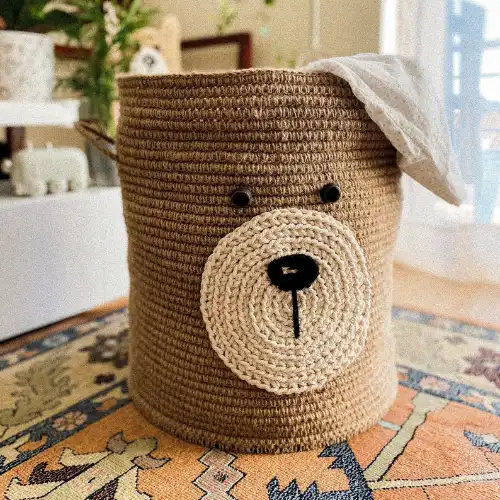
- Home décor — jute rugs, baskets and storage replacing synthetic alternatives
- Food & beverage — jute wine bags and produce bags for premium branding
- Fashion & lifestyle — natural jute accessories as part of eco-conscious ranges
Is Jute More Expensive Than Plastic?
For single-use applications, jute costs more per unit than thin plastic. However, this comparison misses the full picture:
- Jute bags are reused many times — dramatically lowering cost-per-use
- Brand exposure per jute bag far exceeds a single-use plastic bag
- Regulatory risk is eliminated — no future bans or levies on jute
- Consumer willingness to pay a premium for sustainable packaging is high
For bulk buyers sourcing directly from Indian manufacturers, jute pricing is very competitive — especially when compared to the growing cost of plastic compliance in regulated markets.
Make the Switch to Jute
Ridhi Sidhi Overseas manufactures jute bags, baskets, rugs, planters and fabrics — all 100% natural and biodegradable. Contact us for wholesale pricing and samples.
Request Samples & Pricing